
Make the faults visible
The 6 July issue register mapped gaps in process control, inlet screening, aeration, filtration, dosing, maintenance records, and operating logs. The group proposed a supervised renovation and specialist operation.
The renovation began with a simple question: how could we rely on treated water if the treatment plant itself was not being maintained and operated consistently?
Our July 2024 assessment found missing operating instructions and maintenance records, inadequate screening at the inlet, insufficient aeration, and treatment stages that were being bypassed. Pumps, filtration, dosing, and day to day logging all needed attention.
It was clear that replacing a single motor would not solve the problem. The community needed a coordinated repair plan and a way to keep the plant running after the contractors left.
The lesson was practical: water reuse depends as much on reliable operation as it does on equipment.
Residents formed an STP core group to review the condition of the plant, plan restoration, compare vendor options, and monitor ongoing work. The initial action plan covered cleaning, civil work, pumps, aeration, controls, testing, and documentation.
The 6 July issue register mapped gaps in process control, inlet screening, aeration, filtration, dosing, maintenance records, and operating logs. The group proposed a supervised renovation and specialist operation.
Project trackers record deep cleaning of tanks, repaired and newly procured pumps, new tank covers, and work on the aeration, plumbing, electrical, and control systems. Some items were still scheduled at the 10 August checkpoint.
The 20 September tracker records completed blower and diffuser work, a bar screen, pump and electrical work, cleaning, and testing equipment. September logs record pump and blower operation and an output entry marked for gardens.
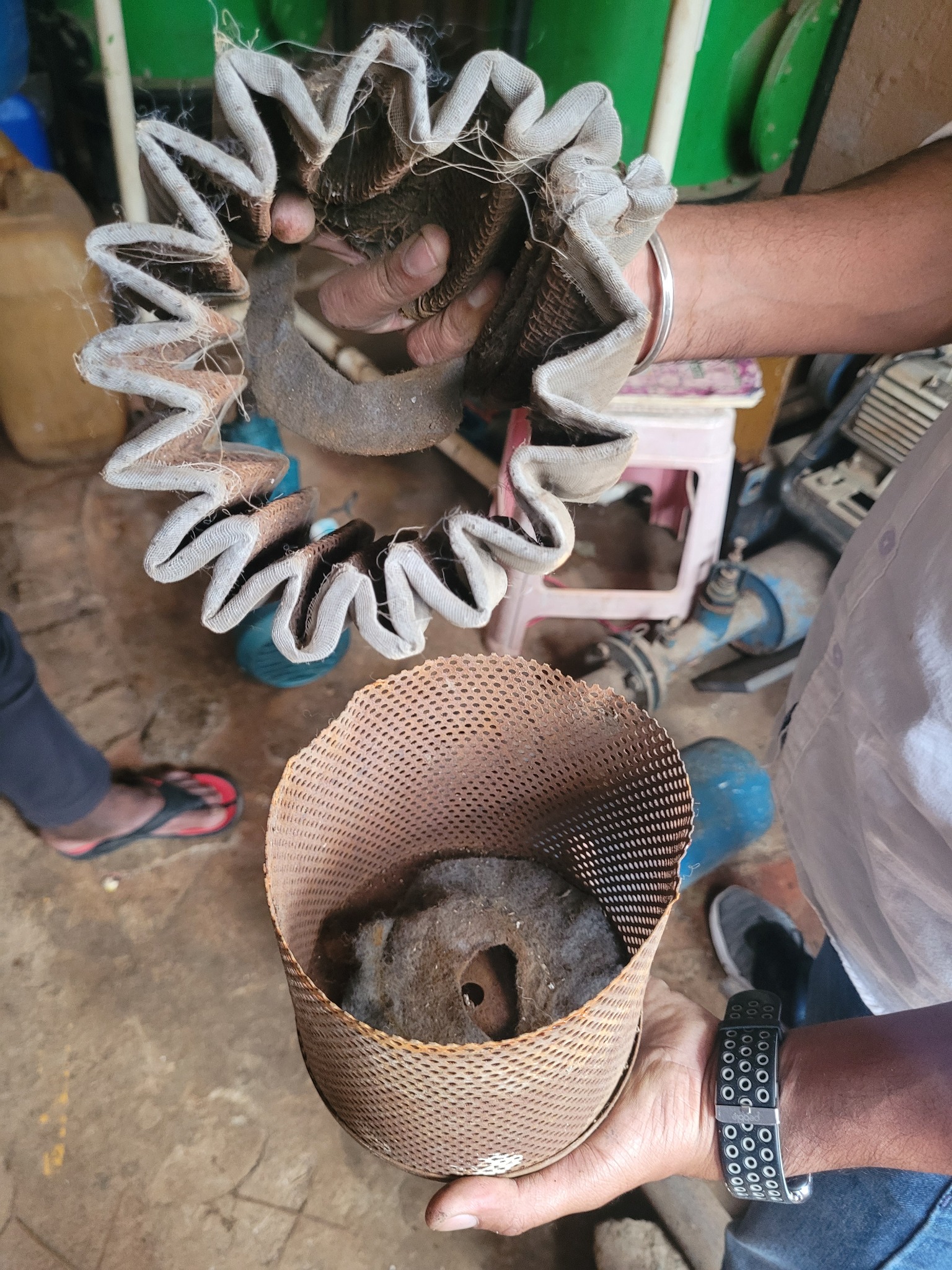
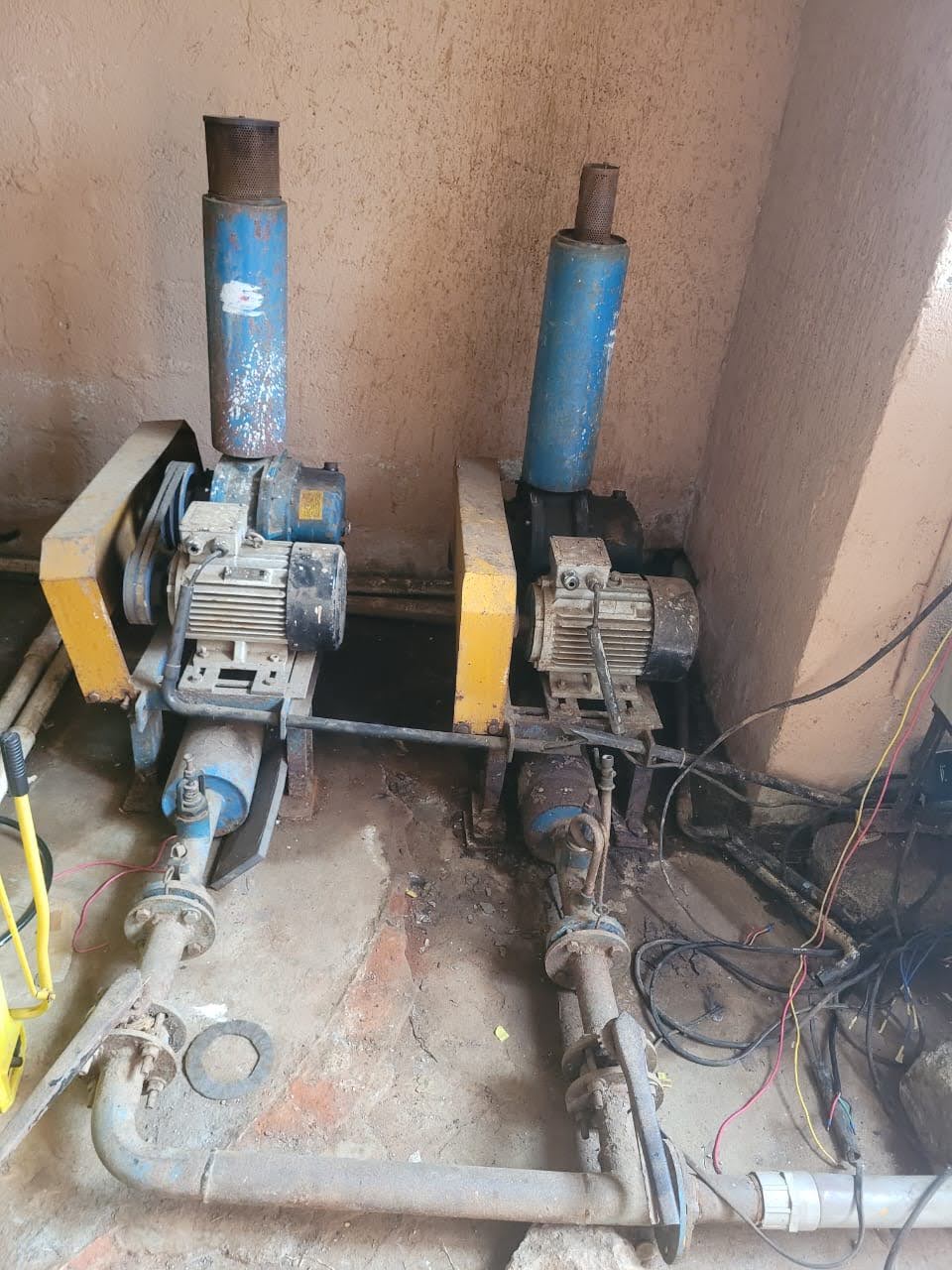
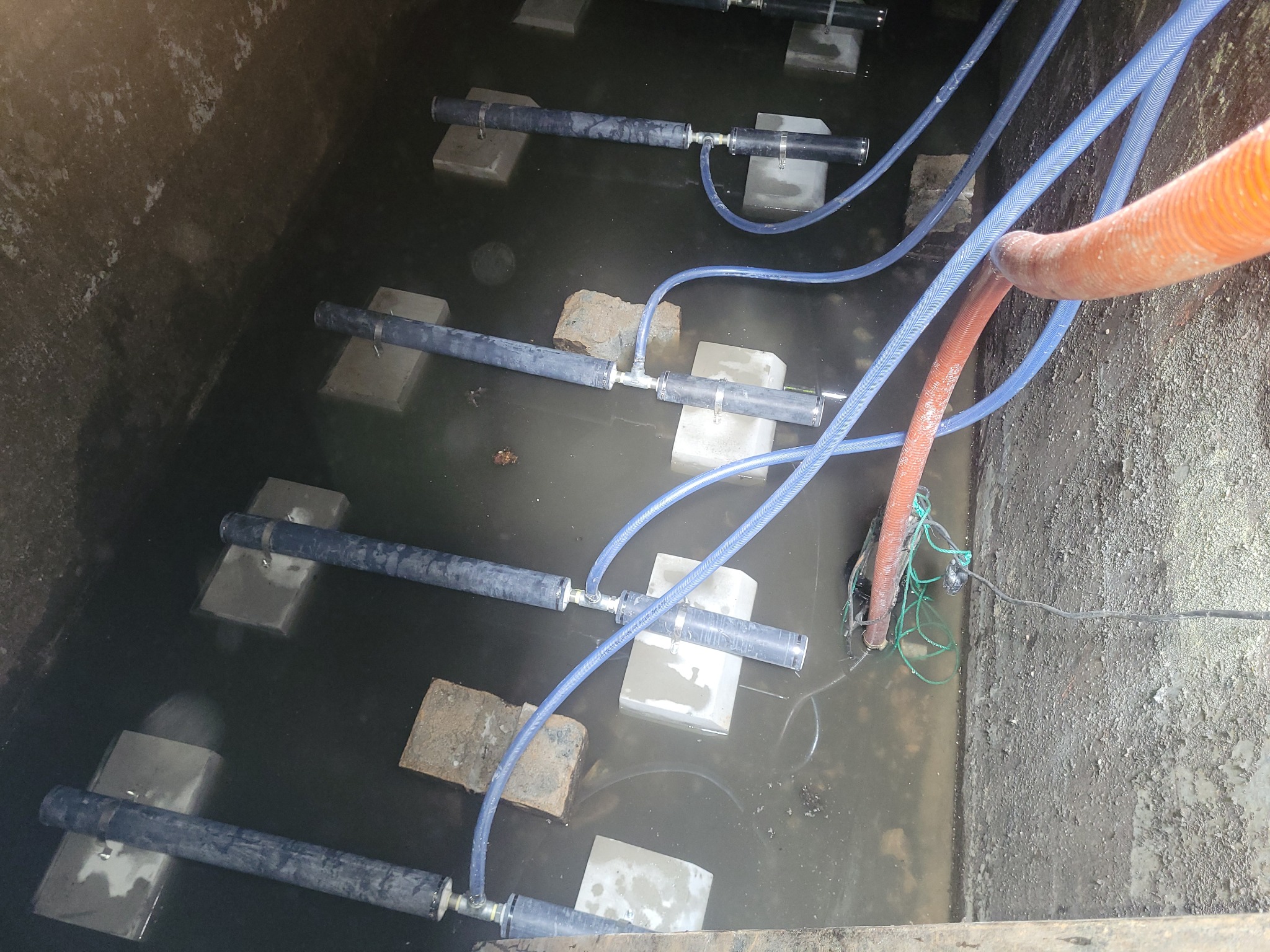
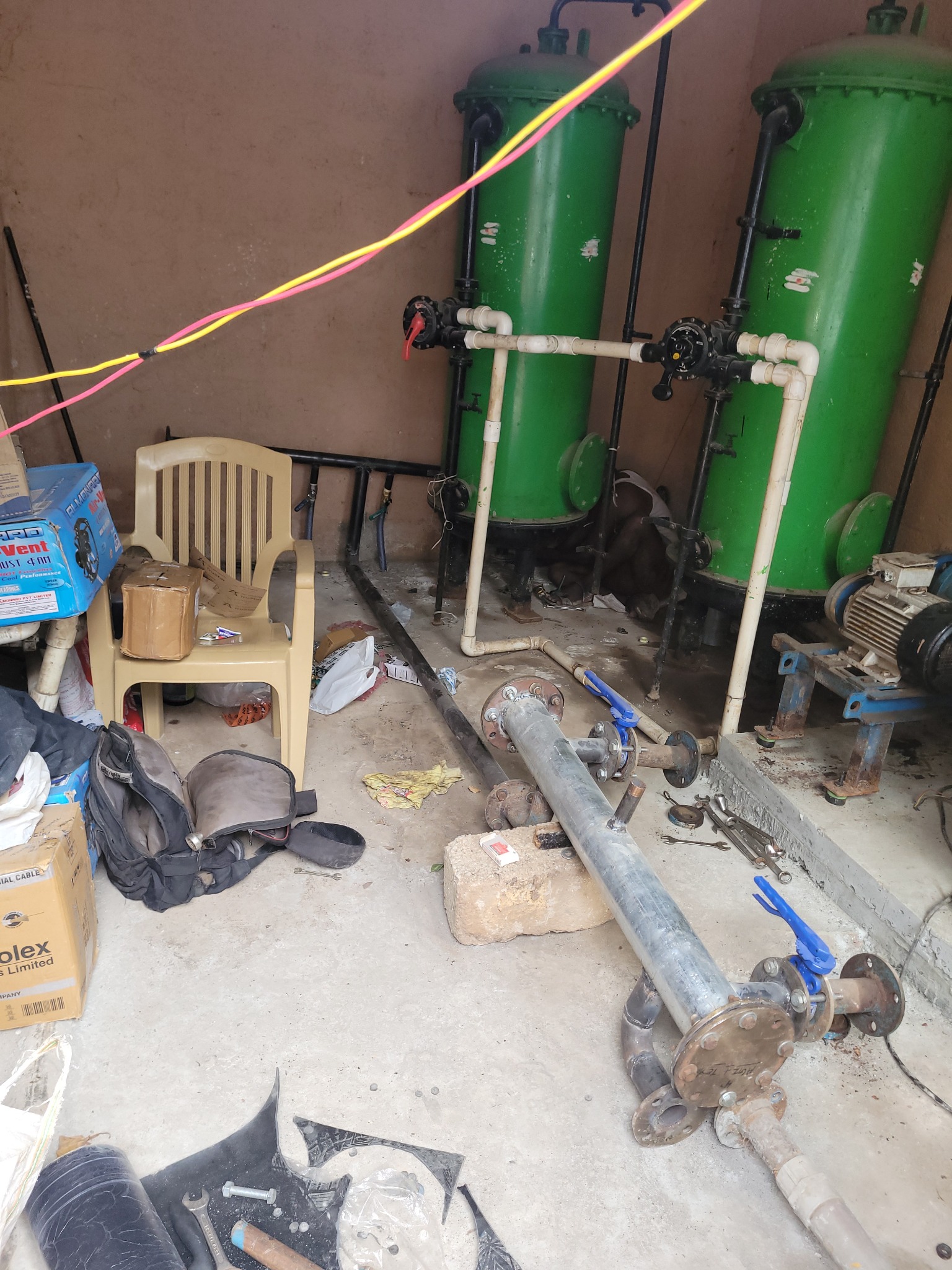
The operating plan directed final output to the overhead STP tank and garden. A September log also records garden use, and the tracker notes repairs to garden and common area water points. These records show the reuse route being put back into operation.
The documents do not establish a measured total of water reused, a verified reduction in tanker purchases, or a final laboratory certification of treated water quality. We will publish those outcomes only when the relevant measurements and test reports are available.
The plant was described as approximately 40 KLD in the July proposal, an estimate made without a working flow meter. The 2024 project gave us firsthand experience coordinating people, equipment, budgets, and operating routines around a shared water problem. ZIO-FOUNDATION’s first offer builds on that experience: free initial online guidance for apartment associations considering STP renovation.
Request a free online STP consultation ↗About this account. Prepared from the 6 July 2024 issue assessments, the 9 July revamping proposal, renovation action plans, the August and September 2024 project tracker, September operating logs, and dated project photos. Statuses and costs changed during the project; planned items have not been presented as completed work. The records also include swimming pool and borewell work, which is outside this STP story.